What to Expect During the Restoration Process
People seeking storm restoration are typically aiming to repair damage and restore safety, with local contractors ready to handle the process efficiently and professionally.
Understanding what to expect during the restoration process can provide reassurance for property owners facing storm damage. This phase often involves several key steps, including assessment, debris removal, structural repairs, and final inspections. Knowing the typical sequence of events helps homeowners and business owners prepare for what’s ahead, reducing uncertainty and making the experience more manageable. Local contractors experienced in storm restoration are well-versed in guiding clients through each stage, ensuring the process is transparent and as smooth as possible.
For property owners in the area, exploring this topic is a practical way to become more informed about how storm damage repairs are handled. When working with trusted service providers, understanding the restoration process can help set realistic expectations and foster confidence in the work being done. Local pros can provide the expertise needed to navigate the complexities of storm restoration, helping property owners restore safety and stability to their buildings efficiently. Keep reading to learn more about what to expect during this important process.
- Roof Repair - needed when storm damage causes leaks or structural issues, and local contractors assess and restore roofing systems to ensure durability.
- Siding Replacement - necessary after storms damage exterior walls, with service providers replacing or repairing siding to protect the home.
- Window and Door Restoration - required when storms break or damage openings, with local pros restoring or replacing to improve security and energy efficiency.
- Gutter and Drainage Repair - important for managing stormwater runoff, with contractors fixing or installing systems to prevent water damage.
- Interior Water Damage Restoration - needed after flooding or leaks, with service providers removing moisture and repairing affected areas to prevent mold growth.
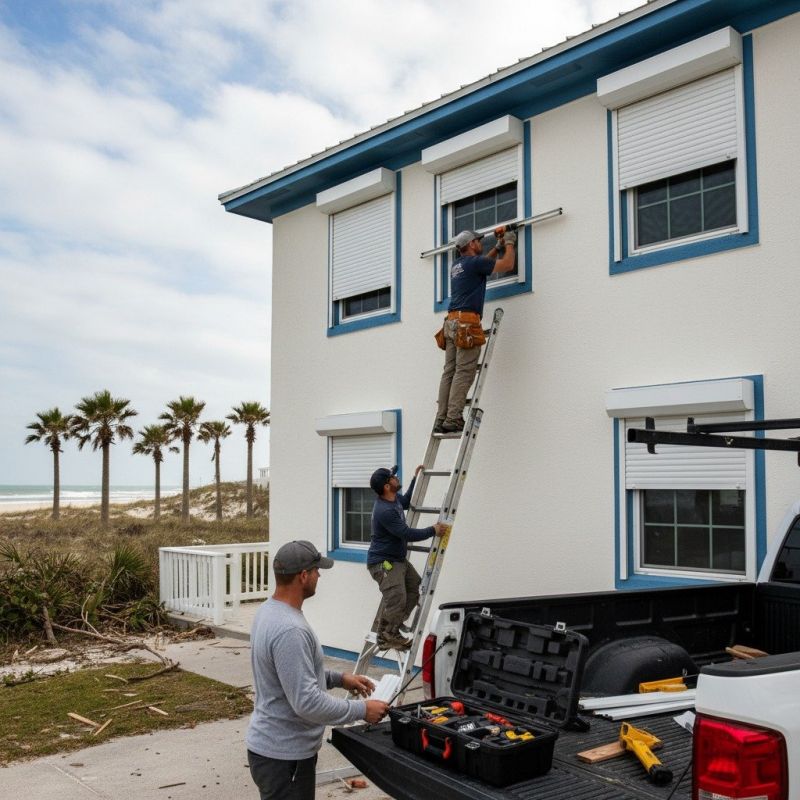
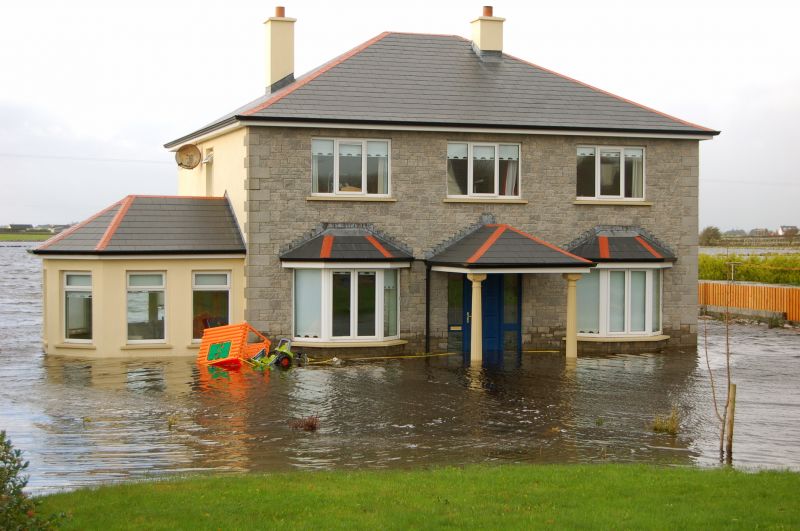
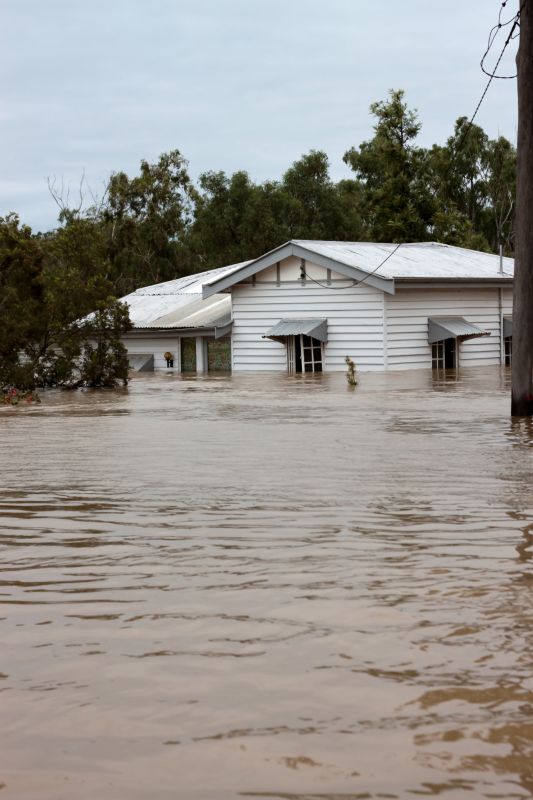
Understanding what to expect during the restoration process is essential for homeowners dealing with storm damage or other property issues. When people search for this topic, they often want to know how repairs and recovery unfold after a damaging event, such as a severe storm or natural disaster. This process typically involves multiple steps, including damage assessment, securing the property, repairs, and final inspections. Homeowners seek clarity on each phase so they can prepare for what’s coming and understand how local contractors or service providers will be involved throughout the project.
The restoration process is closely related to problems like roof damage, water intrusion, fallen trees, or structural issues caused by storms. Many plans involve addressing immediate hazards, preventing further damage, and restoring the property to its pre-storm condition. Homeowners may also be considering insurance claims or trying to understand the scope of repairs needed. Local storm restoration professionals are experienced in handling these types of problems, offering services that range from emergency board-up and debris removal to full-scale repairs and reconstruction.
Properties that typically come up during the restoration process include residential homes, multi-family dwellings, and small commercial buildings affected by storm-related events. Commonly, these properties have sustained roof damage, broken windows, water leaks, or structural compromise. Homeowners should expect that each property will have unique needs based on the extent of damage, but the overall process remains similar. Local contractors understand the nuances of different property types and can tailor their services accordingly, ensuring the restoration work aligns with the specific requirements of each project.
Throughout the process, homeowners can expect a sequence of coordinated activities managed by local service providers. Initially, there will be damage assessment and securing the property to prevent further harm. This is followed by cleanup, debris removal, and addressing immediate safety concerns. Once the site is stabilized, repairs such as roof replacement, water extraction, and structural reinforcement are carried out. Finally, the project concludes with inspections and finishing touches. Knowing what to expect during the restoration process helps homeowners stay informed and confident that local professionals are equipped to handle the job efficiently and thoroughly.
Water Damage Repair - This project involves assessing and restoring structures affected by water, requiring skills in moisture detection, drying, and material restoration similar to storm damage recovery.
Roof Repair and Replacement - Local contractors handling roof repairs and replacements often coordinate with storm restoration services to ensure the roof can withstand future weather events.
Siding and Exterior Repair - Restoring damaged siding and exterior surfaces involves planning and skill sets comparable to those used in storm damage restoration to protect the building envelope.
Interior Drywall and Painting - Repairing interior walls after storm-related damage requires careful planning and finishing skills similar to those needed during the restoration process.
Debris Removal and Cleanup - Clearing storm debris and cleaning affected areas involves logistical planning and the use of specialized tools akin to restoration site preparation.
Structural Reinforcement - Strengthening weakened structures after storm damage involves engineering considerations and planning skills that align with restoration project requirements.

When evaluating local contractors for storm restoration services, it’s important to consider their experience with similar projects. A contractor who has handled storm-related repairs before is more likely to understand the typical challenges and necessary steps involved in the restoration process. Homeowners should inquire about the types of storms the contractor has worked on and ask for examples of past projects comparable to their own situation. This helps ensure the service provider has practical knowledge and familiarity with the specific demands that storm restoration can entail, leading to a smoother and more predictable process.
Clear, written expectations are essential when comparing local service providers. A reputable contractor will provide detailed documentation outlining the scope of work, materials to be used, and the steps involved during the restoration process. Having this information in writing helps prevent misunderstandings and sets a transparent foundation for the project. Homeowners should review these documents carefully and ask questions to clarify any points that seem uncertain. Well-defined expectations contribute to a more organized restoration experience and help ensure that all parties are aligned on what will be delivered.
Good communication and reputable references are critical factors to consider when choosing local contractors. Service providers who are responsive and willing to answer questions demonstrate professionalism and a commitment to customer service. Additionally, seeking references or reviews from previous clients can offer insights into the contractor’s reliability and how effectively they manage the restoration process. Reliable communication ensures that homeowners stay informed about progress and any potential issues that arise, while positive references can provide confidence that the local pros have a track record of successfully completing storm restoration projects with clarity and professionalism.
Property owners often search for what to expect during the restoration process when they are planning practical projects around their homes and businesses. Local pros provide Storm Restoration services for everyday jobs and straightforward project options.
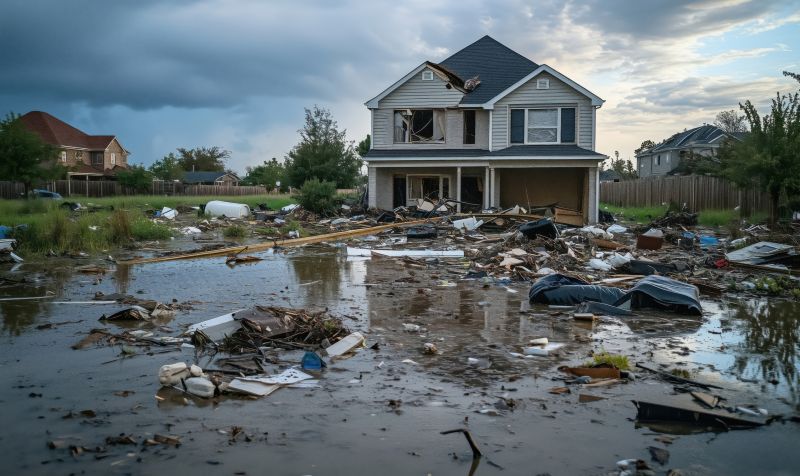
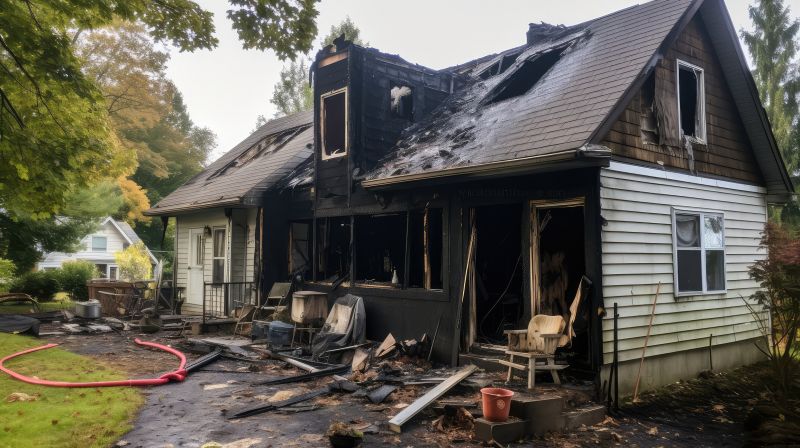
During the storm restoration process, property owners can generally expect a series of coordinated steps carried out by experienced local contractors. Once initial assessments are complete, the focus often shifts to securing the property, removing debris, and beginning repairs on damaged roofing, siding, or windows. Homeowners and business owners might notice crews working diligently to protect the property from further weather-related issues, which is a common part of ensuring the structure is stabilized before repairs continue. Clear communication from local service providers can help property owners understand what tasks are being performed and why they are necessary to restore the property to its pre-storm condition.
Throughout the restoration, property owners may observe ongoing projects such as replacing damaged materials, repainting, or installing new fixtures, depending on the extent of the storm damage. It is typical for local contractors to keep the work site organized and to coordinate different phases of the project to ensure smooth progress. Property owners might also need to prepare for occasional disruptions, like temporary closures or noise, which are part of the process of returning the property to normal. Connecting with trusted local service providers can help clarify what to expect during each stage, making the restoration experience more manageable and less stressful.
What happens during the restoration process after storm damage? During storm restoration, local contractors typically assess the damage, secure the property, and begin repairs such as roof replacement, siding repair, and water damage mitigation to restore the property to its pre-storm condition.
How do local service providers handle damage assessments? Service providers conduct thorough inspections to identify structural issues, water intrusion, and other storm-related damage, which helps determine the necessary repairs and restoration steps.
What types of repairs are common during storm restoration? Common repairs include roof repairs or replacement, siding and window repairs, water extraction, drying, and mold prevention, all aimed at restoring safety and functionality.
Will the restoration process involve cleanup and debris removal? Yes, local contractors typically handle cleanup and debris removal as part of the restoration to ensure the property is safe, clean, and ready for occupancy or further repairs.
What should be expected during the final stages of storm restoration? In the final stages, service providers usually perform inspections to confirm repairs are complete, ensure the property is secure, and may provide guidance on any remaining maintenance needed.
Assessment and Inspection - Local contractors will evaluate the storm damage to determine the scope of restoration needed for your property.
Damage Repair Planning - Professionals can help develop a detailed plan to address structural issues and restore your property’s safety and integrity.
Material Selection and Preparation - Service providers assist in choosing suitable materials that match your property’s existing features for a seamless restoration.
Restoration Execution - Skilled local pros will carry out repairs and restoration work, ensuring the property is returned to its pre-storm condition.
If you are thinking about what to expect during the restoration process for a property, this guide is meant to help you understand this topic, the typical project types, and how different options might fit your plans.
When you are ready, you can use the quote form on this page to share a few details about your project. From there, local pros can review the basics and follow up with options that match what you have in mind.